Centre for Radiofrequencies, Optics and Micro-nanoelectronics in the Alps
Bacterial biosensor for water toxicity detection using impedance spectroscopy
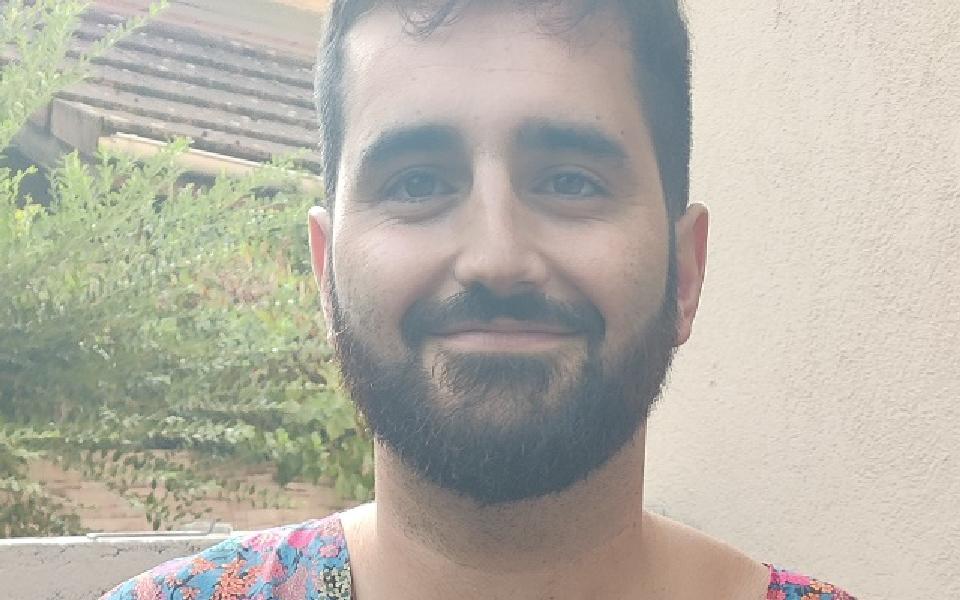
Antoine RICO
Wednesday, June 3, 2026 at 9:30 a.m.
Defense of doctoral thesis by RICO Antoine, for the University Grenoble Alpes, speciality " OPTICS & RADIOFREQUENCIES
Abstract :
Freshwater is a vital resource which is constantly menaced by industrial pollution either accidental or derived from bad practices. In order to protect our ecosystems, it is crucial to be able to give a rapid, early alert in case of pollution. In recent years, researchers have developed devices called biosensors in order to evaluate water toxicity. However, these devices often require complex chemical treatments on the detection surface so as to target a precise pollutant. This chemical treatment, called functionalisation, which makes the devices more fragile, limits their durability and increases their own ecological impact.
In order to overcome these limits, this thesis develops a new electrical biosensor, designed to be simple, robust and more environment friendly because of the absence of any chemical surface treatment. Rather than trying to identify a specific pollutant, our approach aims to evaluate global water toxicity by using live bacteria, imitating sentinel birds used in the early XIXth century in industrial mines. The sensing principle is based on a simple biological phenomenon: the cell wall of healthy bacteria maintains its integrity, whereas it alters when they’re exposed to a toxic environment, such as the presence of an antibiotic or a pesticide. When the cell wall is altered, bacteria release ions to the surrounding medium.
Our device allows a small quantity of liquid between two electrodes which will be used to apply small electrical currents in order to measure the liquid’s resistance. Thanks to a suitable mathematical data treatment, we are able to isolate the specific signature from treated bacteria among all the other processes occurring in the liquid medium. The built prototype was used in lab experiences and successfully detected the toxicity of two known pollutants. This work opens the way to a new generation of miniaturized sensors, able to be rapidly used on site in order to monitor the aquatic environmental health as best as possible.
Jury members :
Pascal XAVIER, UNIVERSITY PROFESSOR- Grenoble INP - UGA : Supervisor
Elise GHIBAUDO, UNIVERSITY PROFESSOR- Grenoble INP - UGA : Co-supervisor
Philippe LÉVÊQUE, RESEARCH DIRECTOR - CNRS : Rapporteur
Marie FRENEA-ROBIN, UNIVERSITY PROFESSOR - Université Claude BernardLyon 1 : Rapporteur
Alain SYLVESTRE, UNIVERSITY PROFESSOR - Grenoble INP - UGA : Examiner
Cécile DUCLAIROIRPOC, UNIVERSITY PROFESSOR - Université de Rouen Normandie : Examiner
Leticia GIMENO-MONGE, ASSISTANT PROFESSOR - Grenoble INP - UGA : Invitée
Partenaires
Thesis prépared at CROMA(Centre of the Radiofréquencies, Optic & Micro-nanoelectronics in the Alps) , supervised by Mr Pascal XAVIER
Date infos
WEDNESDAY, JUNE 3, 2026, at 9:30 a.m.
Location infos
Room Z108 PHELMA / MINATEC
3 rue Parvis Louis Néel 38016 GRENOBLE Cedex 1